Cutting a Georgia summer power bill without buying anything
Before you spend money on efficiency, there is a list of free changes that most houses here have never had done.
September 17, 2026 · 3 min read
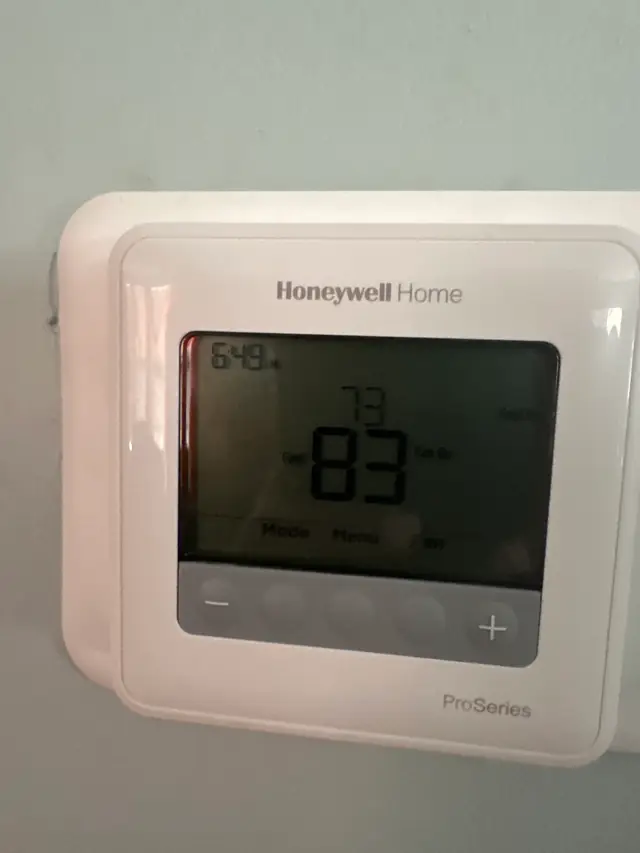
Heating and cooling is usually the largest single line in a household energy bill, and in this part of Georgia the cooling half of that is doing the heavy lifting for a long stretch of the year. The useful thing about that is it makes small improvements worth more here than they would be in a milder climate, because they are multiplied by a lot of run hours.
What follows is ordered deliberately: everything in the first section is free, everything in the second is cheap, and only the last section involves buying equipment. Work down it in that order.
The free changes
Start with the filter. A clogged filter restricts airflow, which makes the blower work harder, lengthens run times and, in winter, can push a furnace toward overheating and shutting itself down on a limit switch. Checking it monthly during heavy use costs nothing and is the single most neglected thing in the trade.
- Keep supply and return vents clear of furniture, rugs and boxes
- Close blinds on the west side of the house through the afternoon
- Run ceiling fans in occupied rooms only, and turn them off when you leave
- Set the thermostat and leave it alone rather than overriding it up and down
- Use the kitchen and bathroom extractors when cooking or showering
The ceiling fan point catches people out. A fan cools people, not rooms, by moving air across skin. A fan running in an empty room is a small heater that also costs you electricity. Turning it off when you leave is free money.
The thermostat point is worth expanding on, because the instinct is wrong. Dropping the setpoint several degrees lower than you actually want does not cool the house faster. The system has one output. All it does is run past the comfortable point and overshoot, and then you nudge it back and it starts again.
The cheap changes
A programmable or smart thermostat is the obvious one, and the reason it works is not clever scheduling. It is that it removes the manual overriding described above. Setting the temperature back while the house is empty and bringing it forward before anyone is home is a straightforward saving, and it happens whether or not anyone remembers to do it.
After that, look at the obvious air leaks. Weatherstripping on doors, caulk around window frames, and sealing the gaps where pipes and cables pass through exterior walls are all inexpensive. Humid outside air leaking into a conditioned house is a double cost: the system pays to cool it and pays again to take the moisture out of it.
The changes that cost money
Attic insulation is usually the highest value upgrade in a house of any age around here, because an under insulated attic in a Georgia summer becomes a heat source sitting directly on top of the ceiling. If your attic insulation is thin, patchy, or has been trodden flat by years of storage, that is where to look first.
Duct sealing is next. Ducts that run through an unconditioned attic and leak are delivering some part of what you are paying for into a space you have no interest in cooling. This is worth testing rather than guessing at, and it is a common reason a system that is technically healthy still cannot keep up.
Only after all of that does replacing working equipment make financial sense. A new high efficiency system sitting on leaking ducts under a thin attic will disappoint you, and it will be an expensive disappointment.
Maintenance is the one that compounds
A system that is clean, correctly charged and running within its rated amp draw uses less electricity than the same system neglected for three years. Coils that are dirty make the compressor work harder for the same cooling. Refrigerant that is low makes it run longer for less result. None of this is dramatic on any given day, which is exactly why it goes unnoticed until the bill or the breakdown.
That is what the Comfort Club is for: scheduled maintenance and system checks, 10% off any service, and priority position in the repair queue when something does go wrong. If you would like someone to look at where your money is actually going, call the shop on the number at the top of the page.
Comfort Central Cooling & Heating, (678) 726-6333
Call (678) 726-6333More articles
Five things worth settling before you replace an HVAC system
A replacement is a fifteen year decision made in about two days. These are the parts of it people most often wish they had asked about.
What to do to your heating before the first cold night
The first genuinely cold night of the year is when most heating faults are discovered, and it is the worst possible time to discover them.